Queue Management System in Saudi Arabia: 2026 Buyer’s Guide
A modern queue management system in Saudi Arabia has become essential infrastructure for banks, telecom stores, government service centers, and busy retail floors across Riyadh, Jeddah, and Dammam. As Vision 2030 pushes customer experience to the center of every service interaction, organizations can no longer afford chaotic waiting lines or frustrated visitors walking out. This 2026 guide explains how these systems work, what they cost, and how to choose the right platform for high-traffic environments in the Kingdom.
Drawing on real deployments across telecom outlets and retail chains, we cover ticketing hardware, digital signage, analytics dashboards, and the practical factors that separate a system that pays for itself from one that gathers dust.
Why a Queue Management System Matters in Saudi Arabia in 2026
Foot traffic in Saudi service branches spikes during salary week, promotional launches, and peak evening hours. Without structured flow control, staff scramble, customers cut lines, and satisfaction scores collapse. A well-designed queue management system in saudi arabia transforms that chaos into a calm, measurable process.
The impact is not just cosmetic. Structured queuing shortens perceived wait times, balances counter workloads, and captures data that managers use to schedule staff intelligently. In telecom retail specifically, where SIM activation and biometric verification create natural bottlenecks, orderly flow directly protects revenue.
The Customer Experience Payoff
Research from consultancies consistently links waiting-line friction to lost sales. According to McKinsey operations research, reducing effort in service journeys is one of the strongest drivers of customer loyalty. A visible ticket number and an accurate wait estimate cut anxiety even before the wait itself shrinks.
Core Components of a Modern Queuing Platform
Understanding the building blocks helps you compare vendors without getting lost in jargon. Every capable system combines the following elements.
- Ticket dispensers or mobile check-in via QR code
- Digital signage and audio calling to guide customers to counters
- Counter terminals or agent apps for staff to call the next visitor
- A central management dashboard with live and historical analytics
- Optional appointment booking and SMS notifications
The strongest platforms integrate these into one cloud-connected system so a branch manager in Riyadh and a regional director in Jeddah view the same real-time metrics.
Hardware vs. Cloud: What to Prioritize
Physical kiosks still matter for walk-in-heavy branches, but the intelligence now lives in the software. Prioritize a vendor whose dashboard exports clean data, supports Arabic and English interfaces, and scales from a single outlet to hundreds without re-architecting.
How Much Does a Queue Management System Cost?
Pricing depends on branch count, hardware choices, and whether you add appointment or feedback modules. The table below shows typical 2026 ranges for the Saudi market.
| Deployment Tier | Best For | Approx. Cost (SAR) | Typical Timeline |
|---|---|---|---|
| Single-branch starter | One retail or telecom outlet | 12,000 – 25,000 | 1-2 weeks |
| Multi-branch standard | 5-15 branches | 60,000 – 180,000 | 3-6 weeks |
| Enterprise / government | 20+ branches, SLA | 250,000+ | 6-12 weeks |
These figures include hardware, licensing, and configuration. Cloud subscription models spread the cost over monthly fees, which many growing telecom chains prefer for predictable budgeting.
How Do You Choose the Right Vendor?
Selecting a supplier is where most projects succeed or fail. Follow this practical sequence to avoid costly mistakes.
- Map your busiest branch and its peak-hour volume before requesting quotes.
- Insist on a live demo using your actual service types, not a generic script.
- Confirm full Arabic-language support across signage, tickets, and reports.
- Verify local installation and maintenance coverage inside the Kingdom.
- Ask for a reference site you can visit or call.
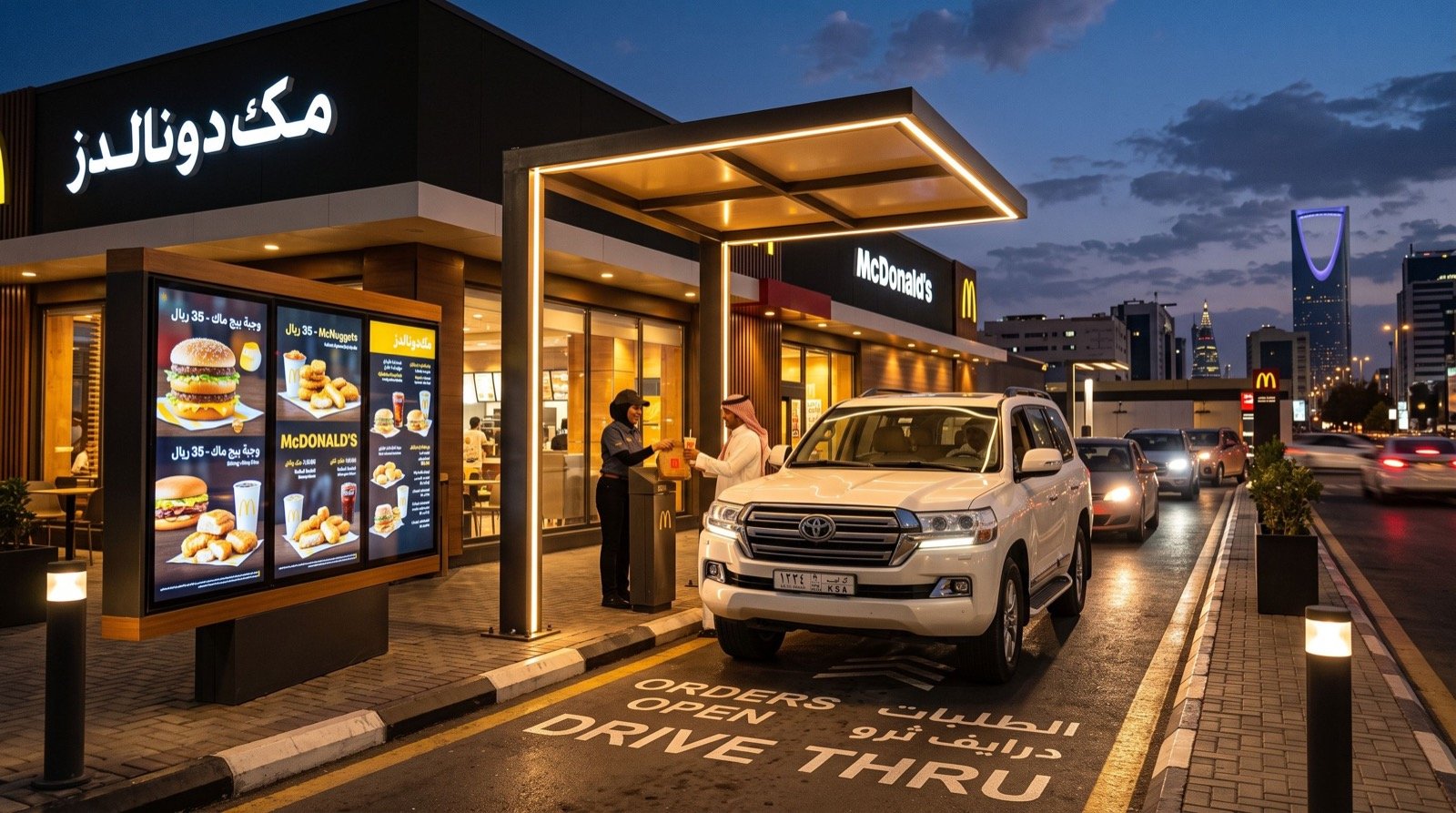
Vendor experience across the wider region is a strong signal. A supplier that also delivers drive-thru and biometric hardware understands high-volume service pressure end to end. For example, a firm handling an HME drive thru in pakistan brings hard-won lessons in throughput and uptime that translate directly to Saudi queue projects.
Watch for Hidden Costs
Cheap quotes often exclude annual support, firmware updates, or additional counter licenses. Ask for a three-year total cost of ownership so you compare like with like. The right partner behaves like the dependable specialists you would trust with any high-stakes logistics job: transparent, credentialed, and accountable after the sale.
Integration With Biometrics and Telecom Workflows
In Saudi telecom retail, queuing rarely stands alone. It connects to SIM registration, fingerprint verification, and CRM lookups. A queue platform that hands the customer’s ticket data straight to the agent’s screen removes duplicate typing and shaves minutes off every transaction.
This matters because regulators require identity verification for activations. When the queue system, the biometric scanner, and the point of sale share one flow, compliance becomes faster rather than a bottleneck. Plan these integrations during procurement, not after go-live.
Measuring Success After Deployment
Data is the reason to invest. Once live, track average wait time, service time per counter, no-show rates for appointments, and peak-hour abandonment. Review these weekly for the first quarter, then monthly.
Managers who act on this data typically cut average waits by 30 to 50 percent within three months simply by reallocating staff to proven peak windows. That improvement is measurable, defensible, and repeatable across branches.
Appointments and Virtual Queuing
Walk-ins will always exist, but virtual queuing changes the experience dramatically. Customers scan a QR code, join the line remotely, and receive an SMS when their turn approaches. This frees them from standing in a crowded branch and reduces perceived wait to almost nothing.
Appointment booking layered on top lets banks and telecom outlets smooth demand across the day. Instead of a lunchtime crush, staff serve a steady, predictable flow, which lifts both employee morale and customer satisfaction scores across the Kingdom.
Frequently Asked Questions
How long does it take to install a queue management system in Saudi Arabia?
A single branch is usually live within one to two weeks. Multi-branch rollouts take three to six weeks depending on network readiness, Arabic content setup, and staff training schedules.
Does the system support Arabic and English together?
Yes. Any credible platform for the Saudi market offers full bilingual tickets, signage, voice calling, and reports. Confirm this in the demo rather than assuming it is included.
Can it integrate with our existing CRM and biometric devices?
Modern systems expose APIs that connect to CRM, point of sale, and fingerprint scanners. Share your current stack early so the vendor confirms compatibility before you sign.
What happens if the internet goes down?
Quality systems run core queuing locally and sync to the cloud when connectivity returns, so ticketing continues uninterrupted during outages.
Final Thoughts on Choosing a Queue Management System in Saudi Arabia
A queue management system in Saudi Arabia is no longer a nice-to-have; in 2026 it is a competitive requirement for any organization that values its customers’ time. The technology is mature, the analytics are actionable, and the return on investment shows up in both satisfaction scores and staff efficiency. Define your peak-hour needs, demand a real bilingual demo, and choose a partner with proven high-volume experience. Request a site survey and a transparent three-year quote today, and turn your waiting area into a genuine competitive advantage.